Living in the Body. A Lost Art
The body of work explores movement as a form of cultural expression, focusing on the energy, rhythm, and physical poetry of footvolley played on Brazilian beaches. Created through mixed-media collage and acrylic painting, the works center on the human body in motion—capturing suspended gestures, shifting weight, and fleeting shapes formed as the body moves through space.
In Brazilian culture, movement carries a unique sensibility—one where strength flows with joy, power is softened by grace, and the body becomes a vessel for connection. The beach functions as a collective, democratic stage where people of all ages and backgrounds gather to move, play, and coexist. In this project, I sought to reconnect with the uniqueness of my own culture, observing the embodied intelligence found in movement and the joy it evokes. Watching adults play feels especially meaningful, almost like a lost art in an era where play is often replaced by productivity and performance.
Footvolley, in particular, reveals an intuitive Brazilian ability to transform physical movement into spectacle—play into performance, sport into art. This embodied rhythm extends beyond the beach, echoing through Brazilian football, samba, and capoeira, where improvisation, musicality, and collective energy shape how bodies occupy space.
The figures in these works are fragmented, faceless, and layered, allowing movement itself to become the subject. Through collage, translucent color, and shifting geometry, the body becomes both structure and rhythm—at once sculptural and fleeting. Each pose captures a moment of suspension: a turn, a reach, a pause between motions. Fragments of cultural memory, color, and light are woven into the forms, suggesting a shared emotional landscape rather than a fixed location.
Ultimately, this body of work celebrates the body as an expressive instrument and the beach as a site where art, joy, and everyday life naturally intersect. These works are about presence—about power, connection, and the quiet beauty that emerges when movement flows freely. I hope the work allows the viewer to feel, even briefly, the Brazilian way of living.
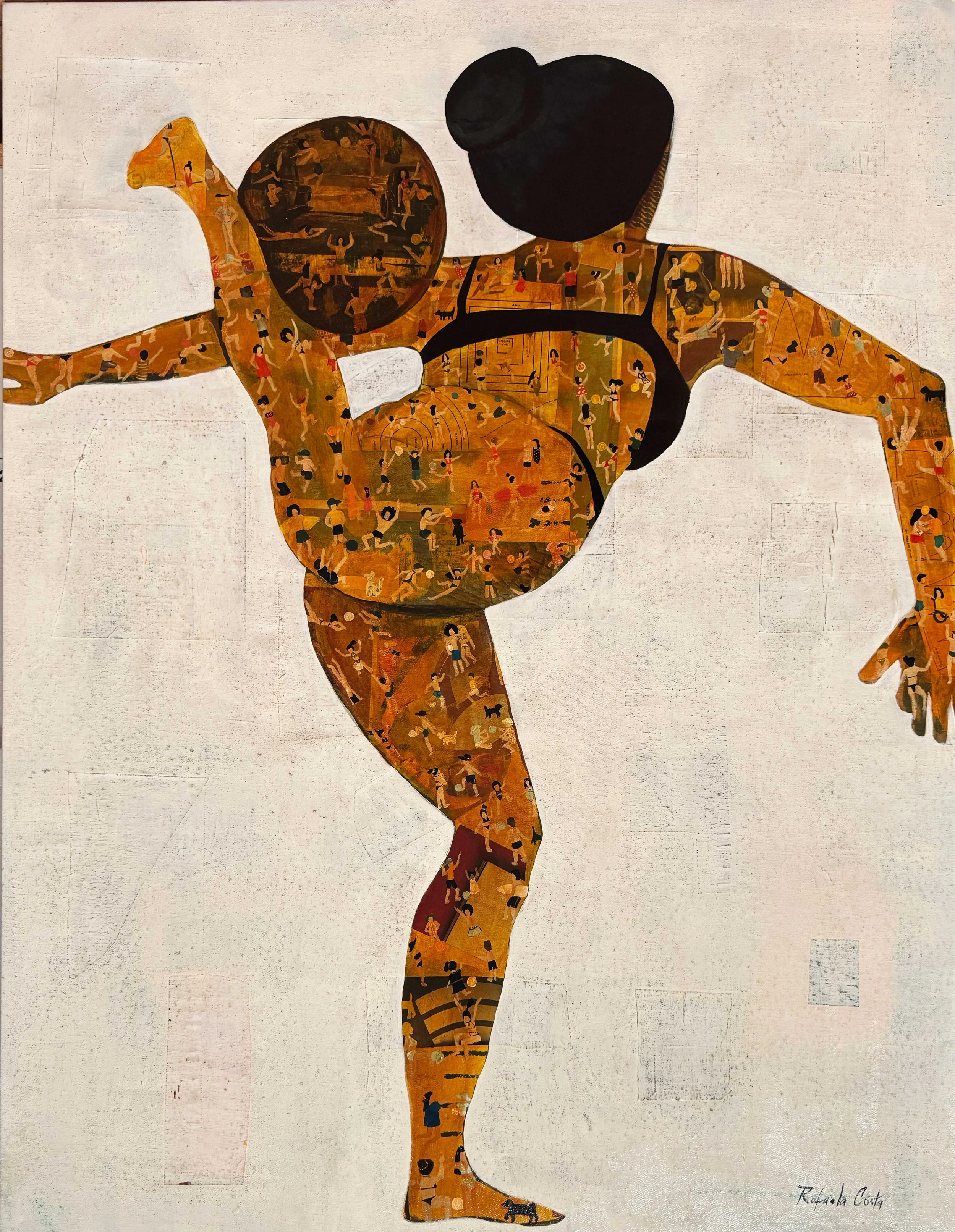
Rafaela Costa- It All Lives Within, 2026 Mixed media on canvas 36”x48” inches
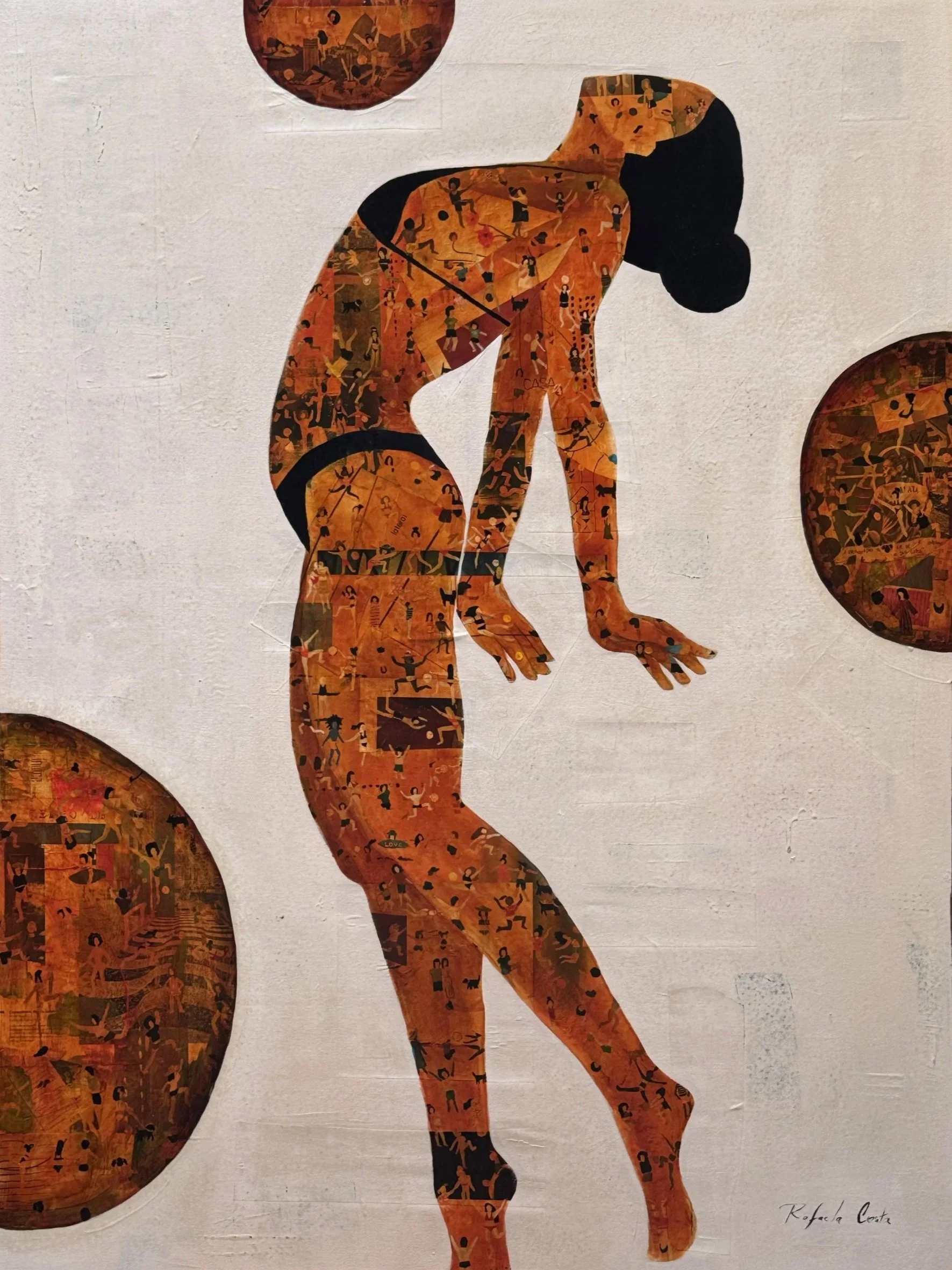
Rafaela Costa, It All Lives Within II, 2026 Acrylic on canvas 36”x48”
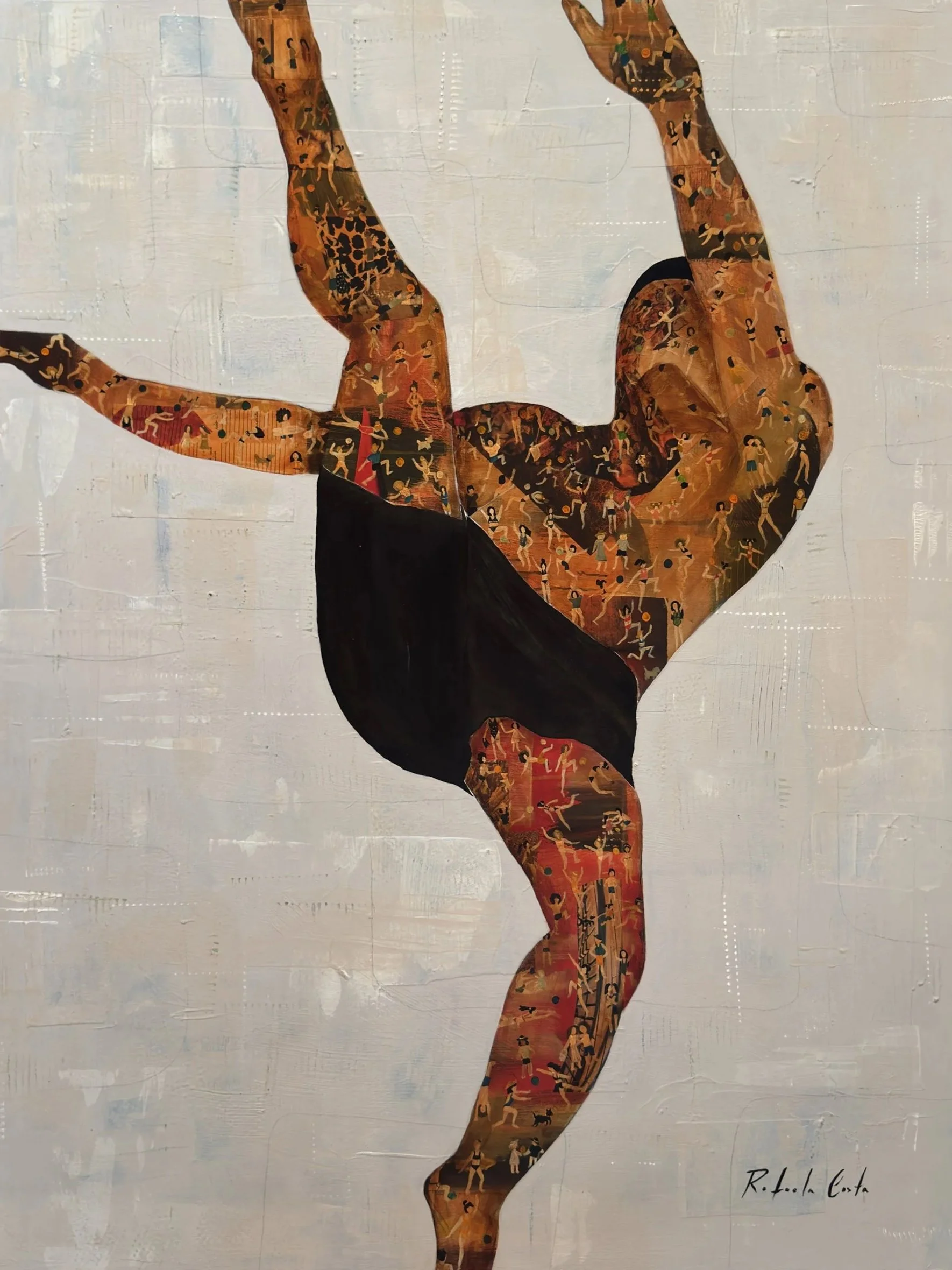
Rafaela Costa- It All Lives Within III, 2026 Acrylic on wood panel 36”x48”
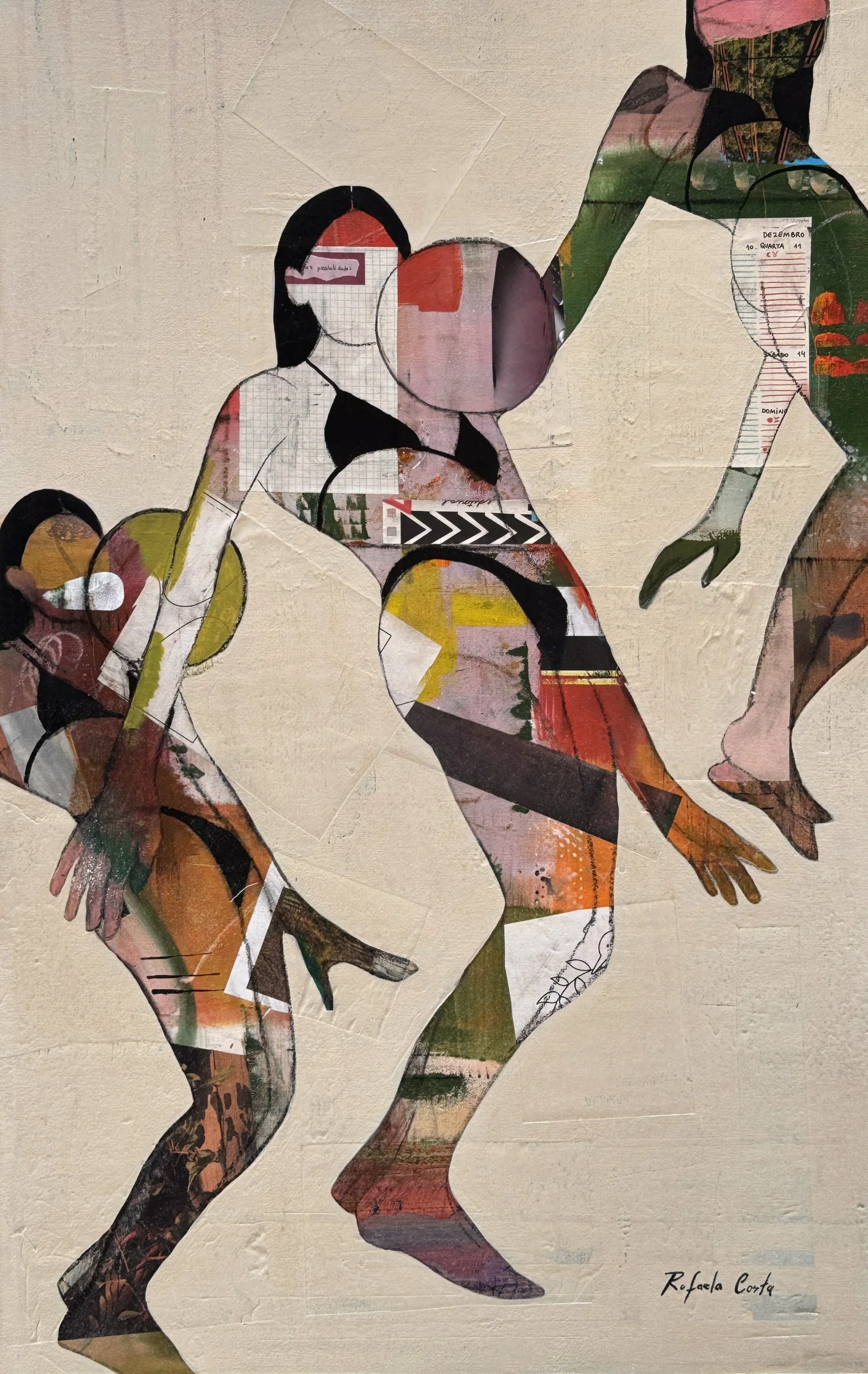
Rafaela Costa- Kaleidoscope, 2026 Acrylic on canvas 38”x24”
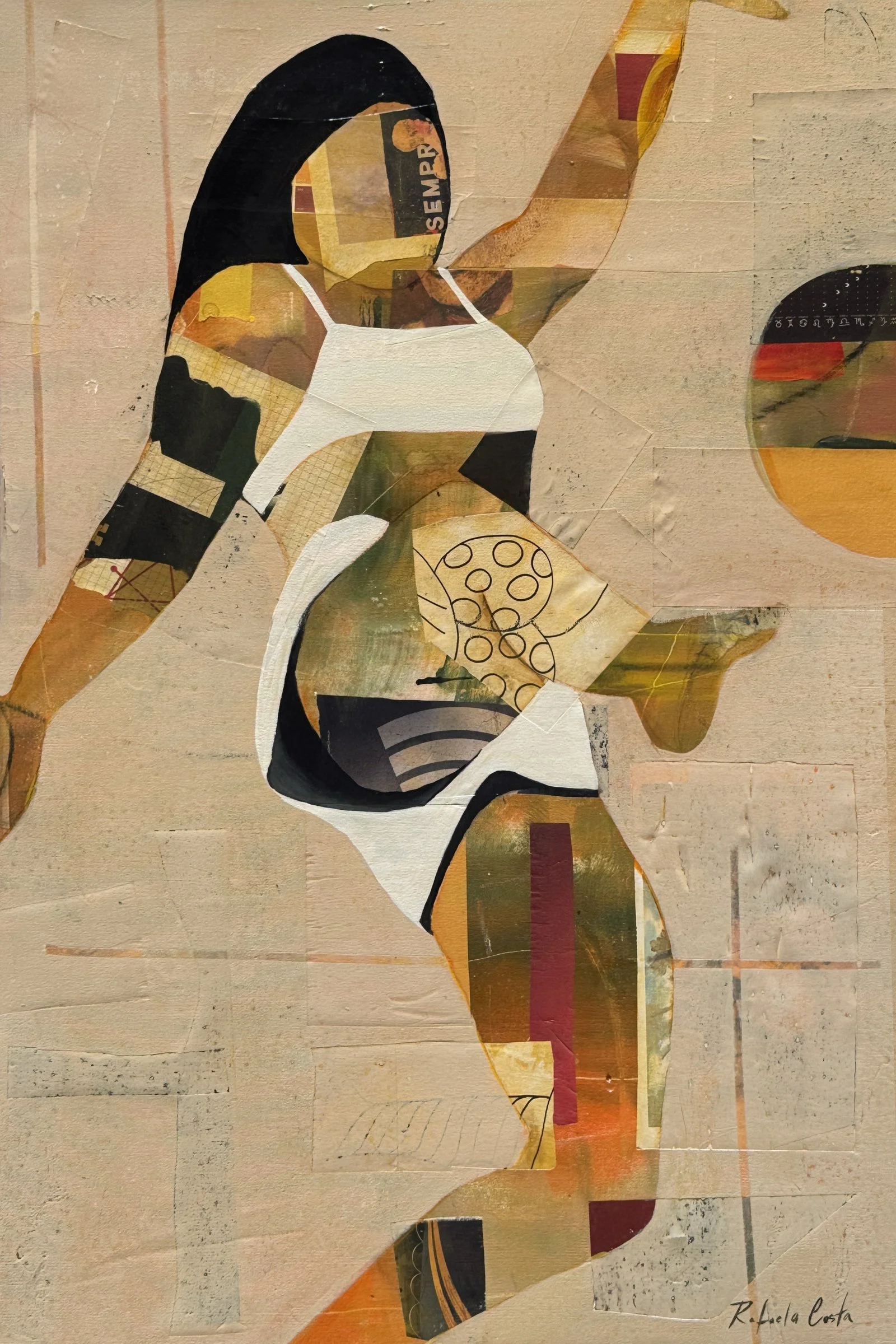
Rafaela Costa- Golden Hour, 2026 Acrylic on canvas 24”x 36”
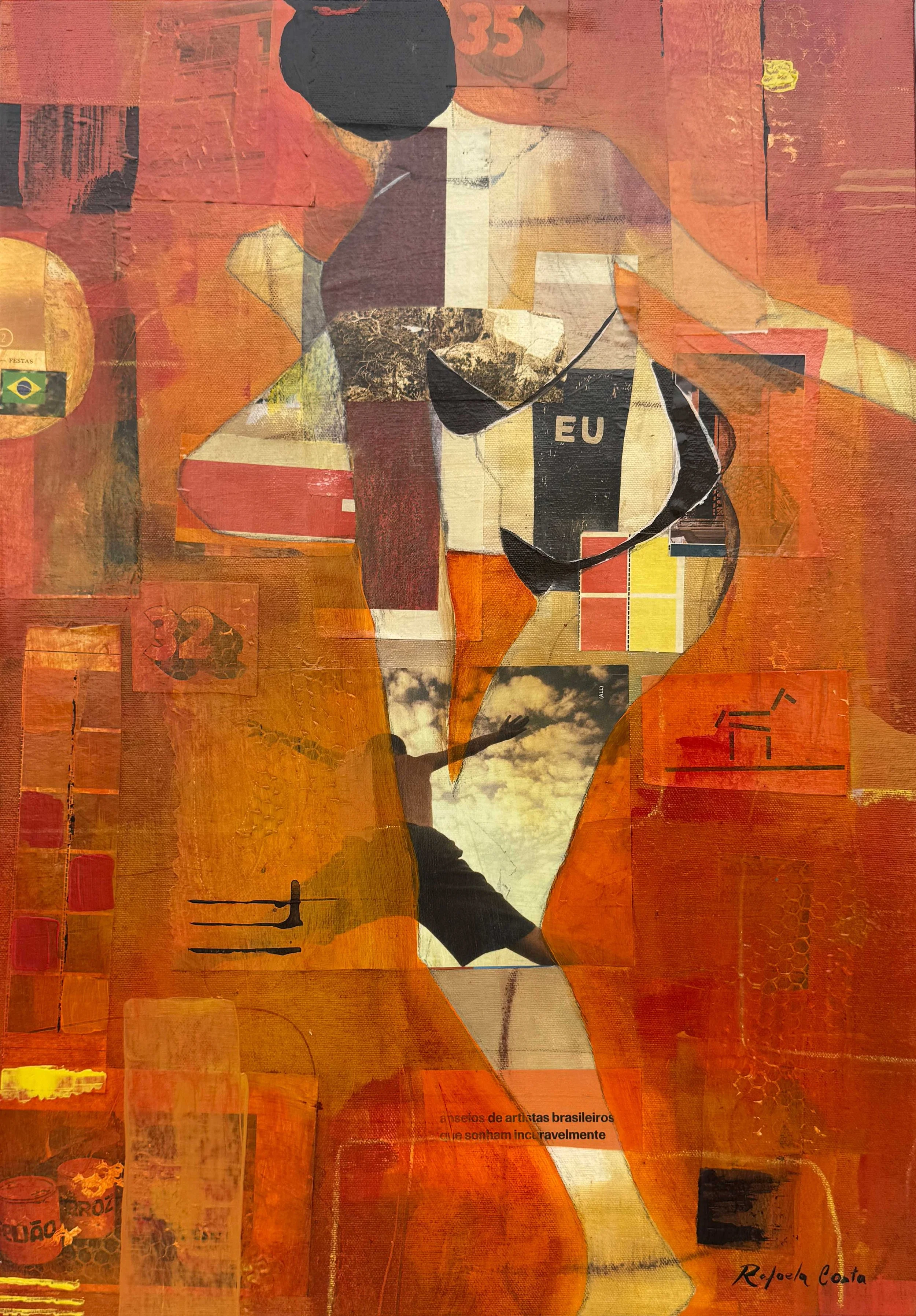
Rafaela Costa- Venus’ Fire , 2026 Mixed media on canvas 16”x23” inches
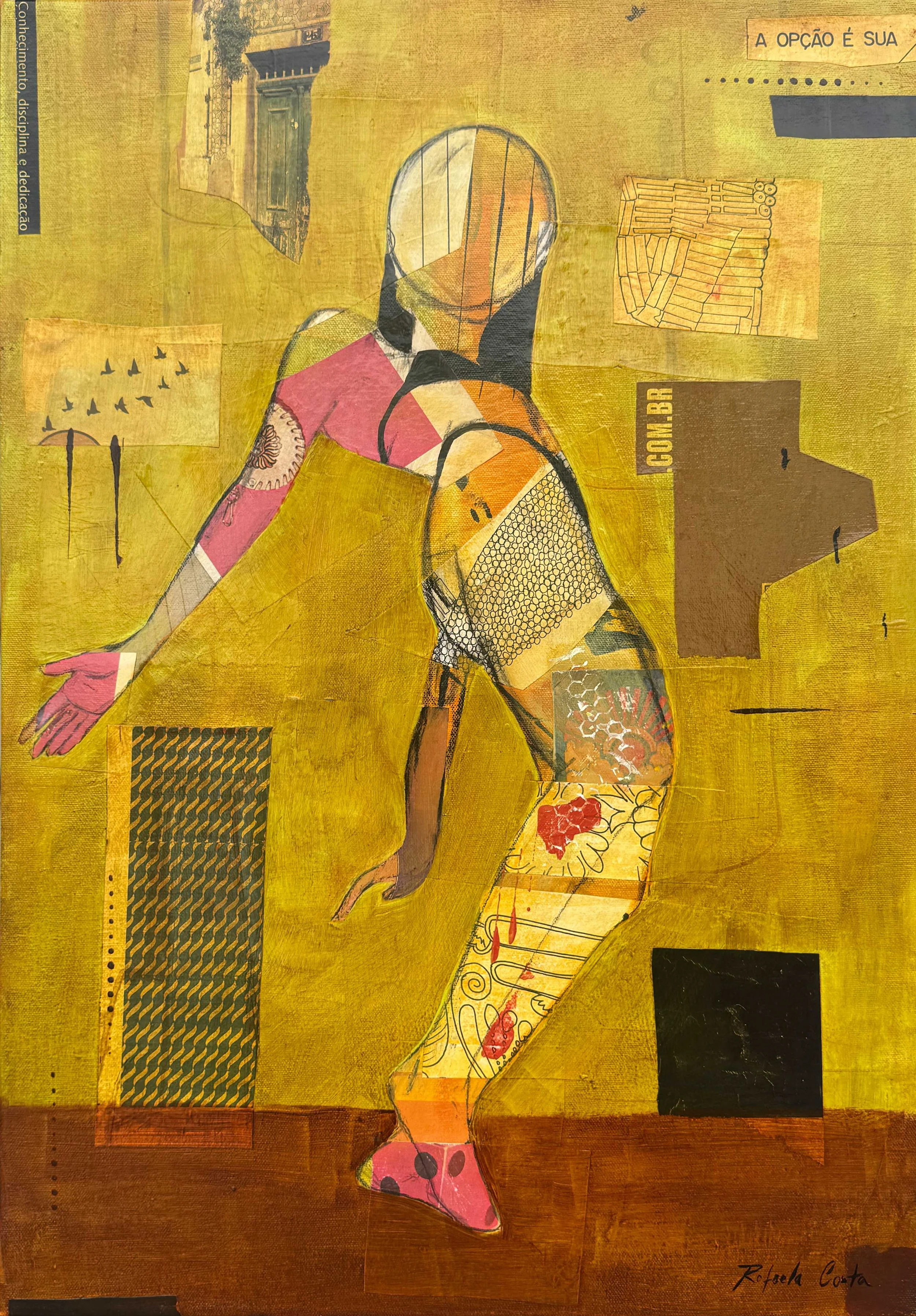
Rafaela Costa- Shooting by the Hip, 2026 Mixed media on canvas 16”x23” inches
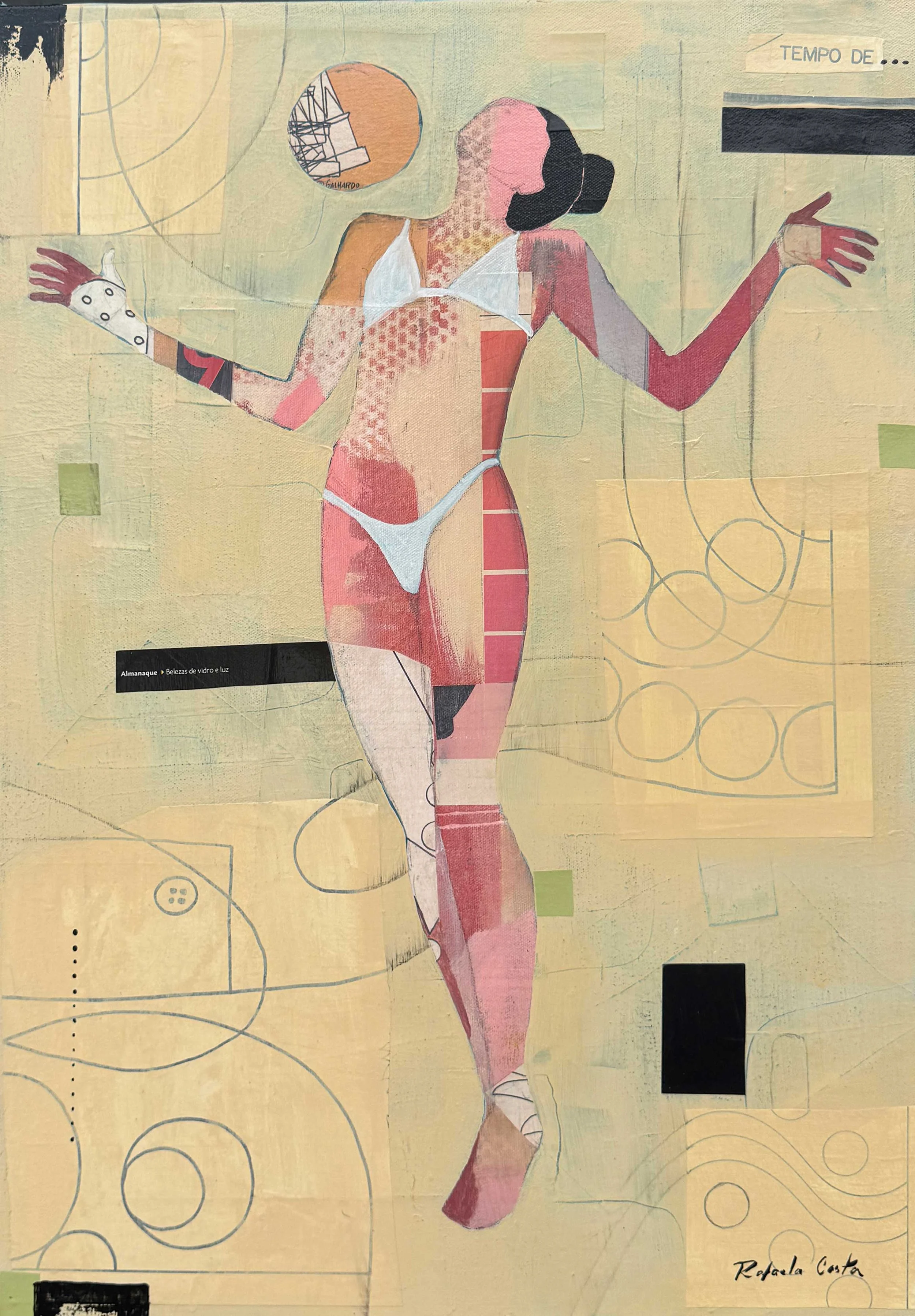
Rafaela Costa- Grace, 2026 Mixed media on canvas 16”x23” inches
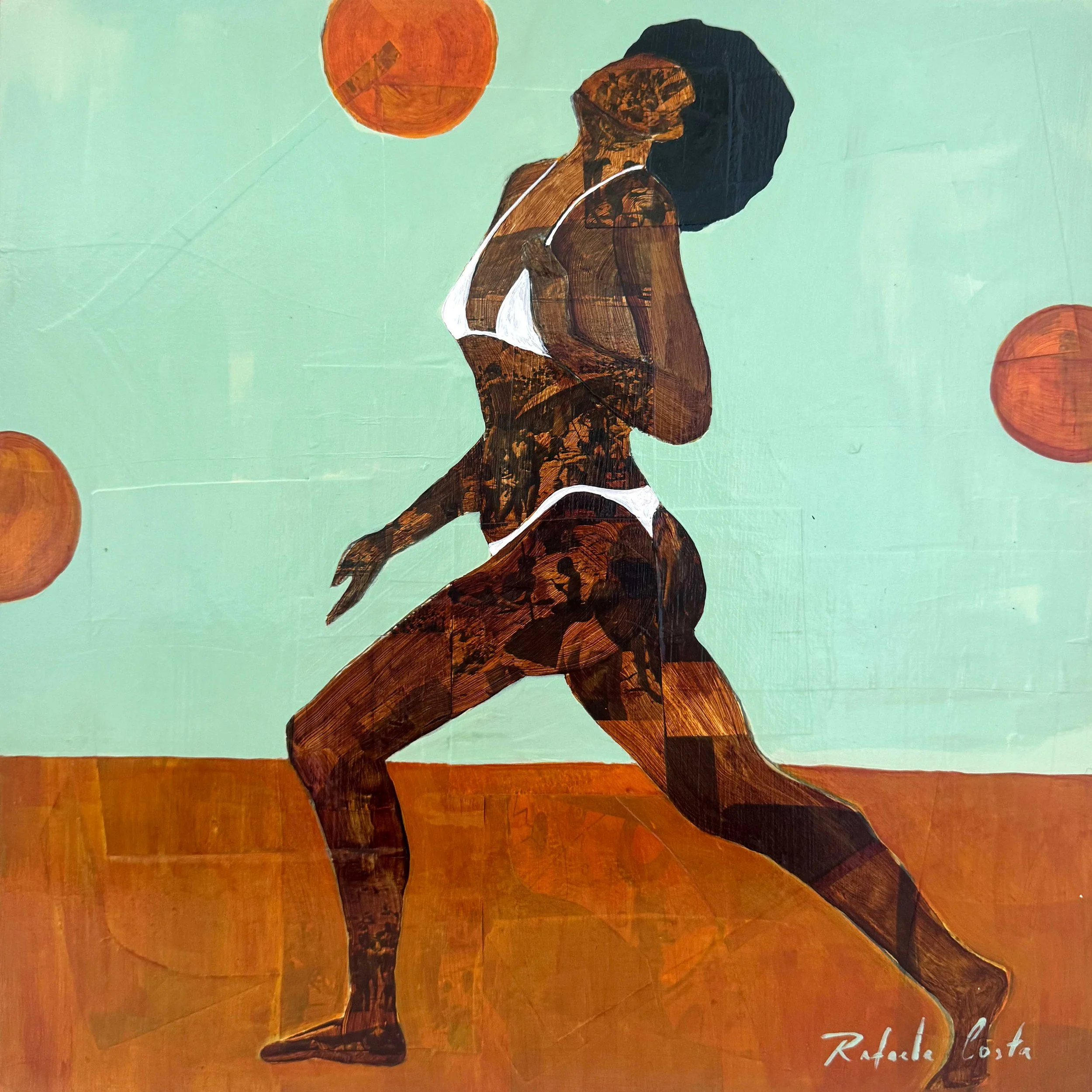
Rafaela Costa- Obá, Lá Vem Ela.., 2026 Mixed media on wood panel 12”x12” inches
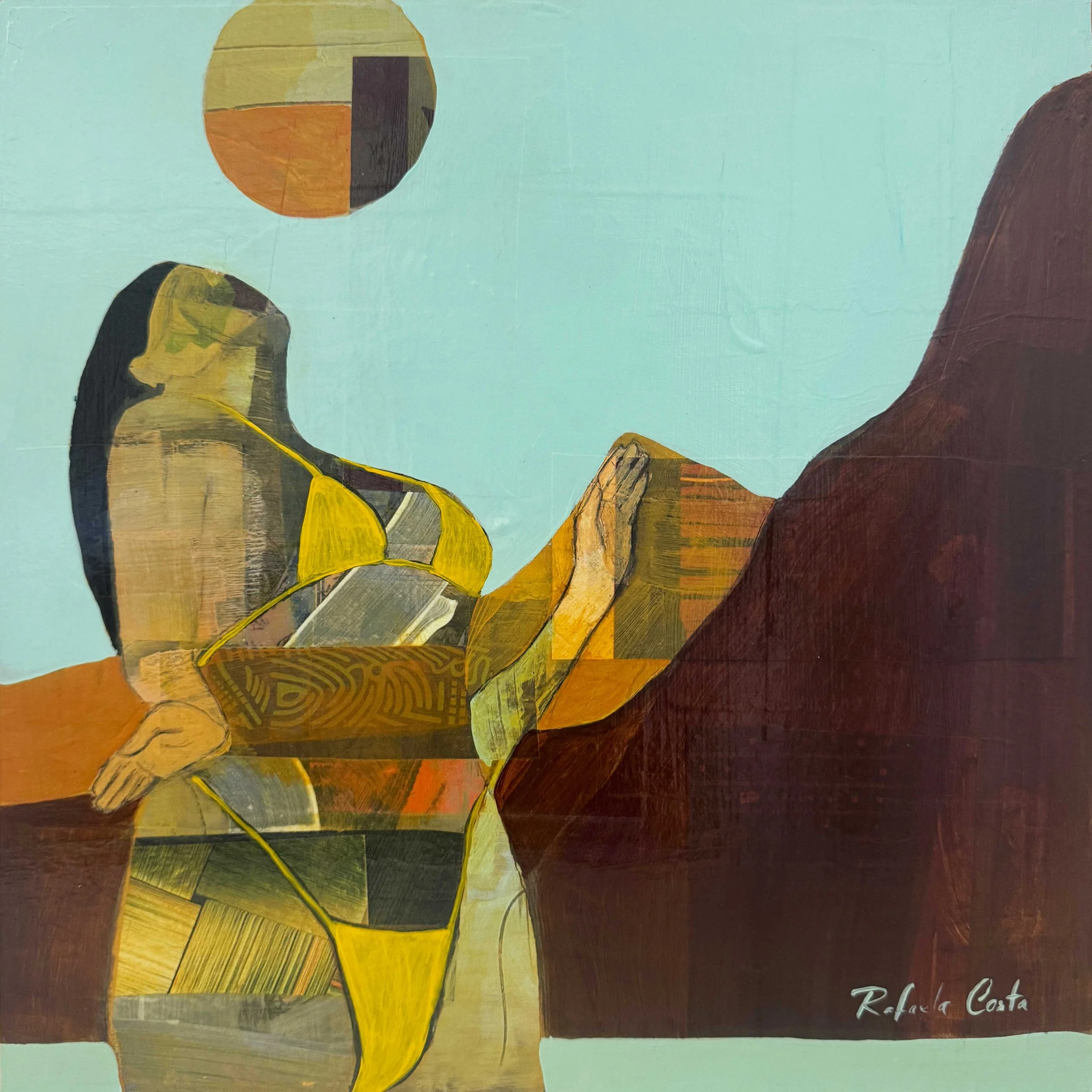
Rafaela Costa- A Match with the Sun, 2026 Mixed media on wood panel 12”x12” inches
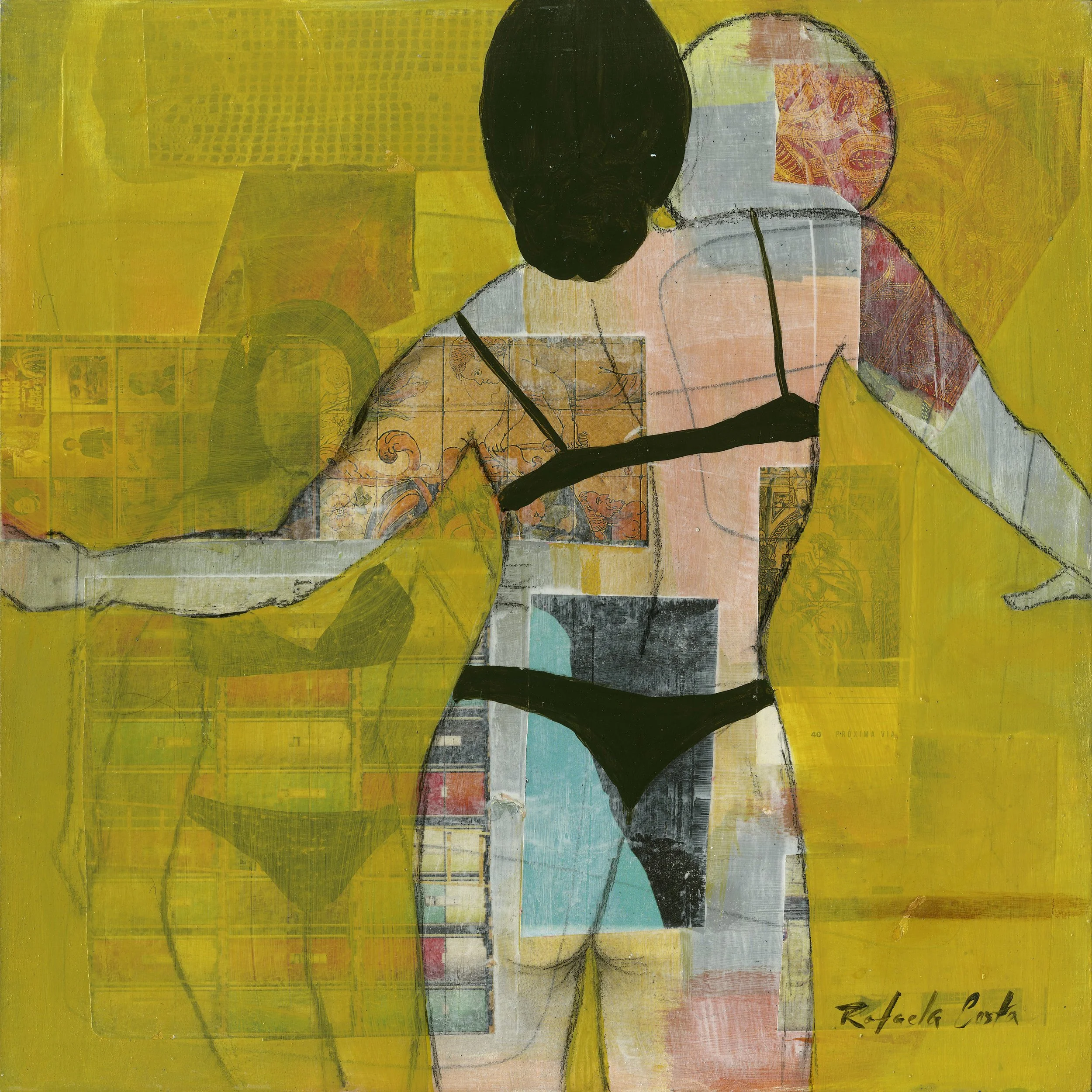
Rafaela Costa- “It Takes a Different posture”, 2026 Mixed media on wood panel 12”x12” inches
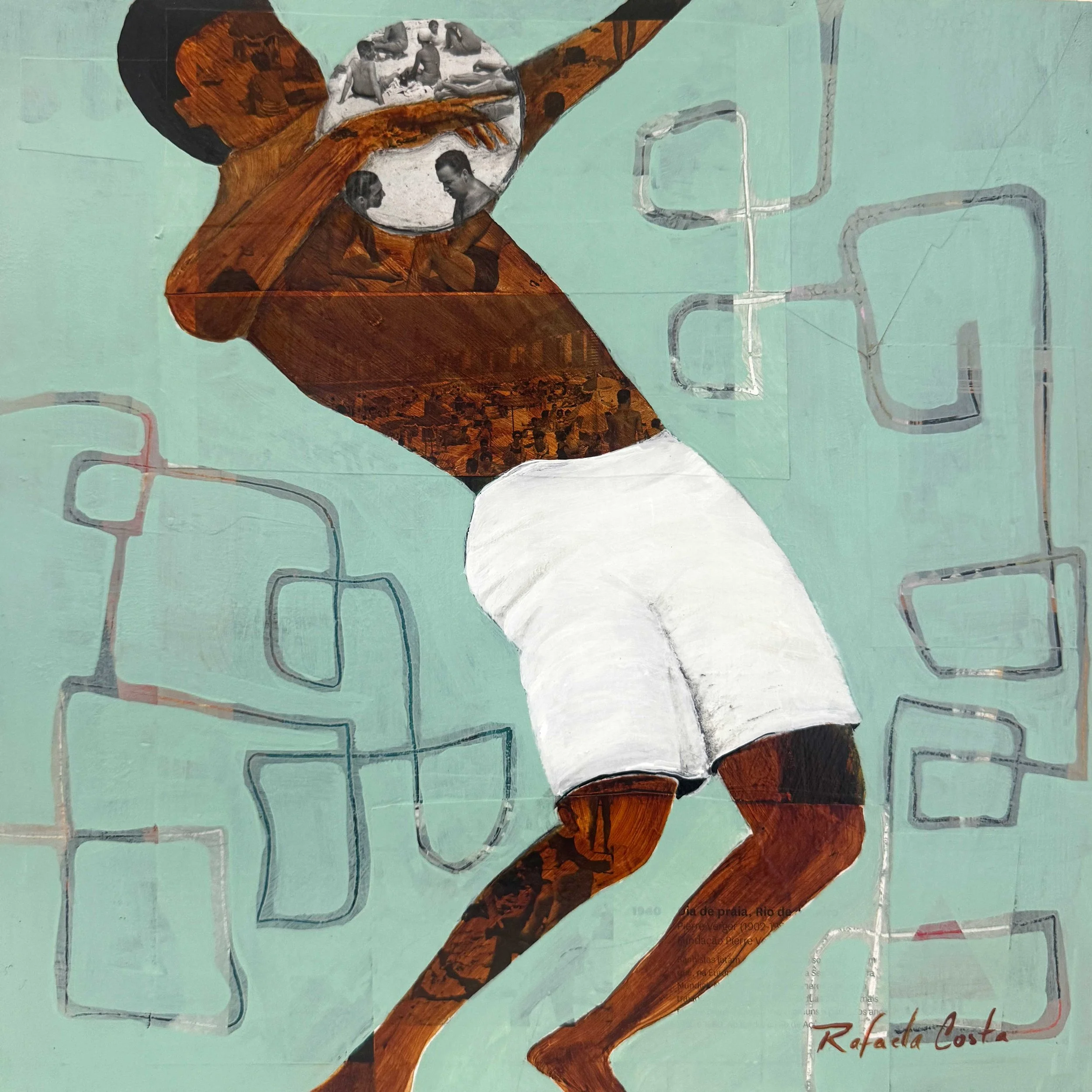
Rafaela Costa- Suavemente, 2026 Mixed media on wood panel 12”x12” inches
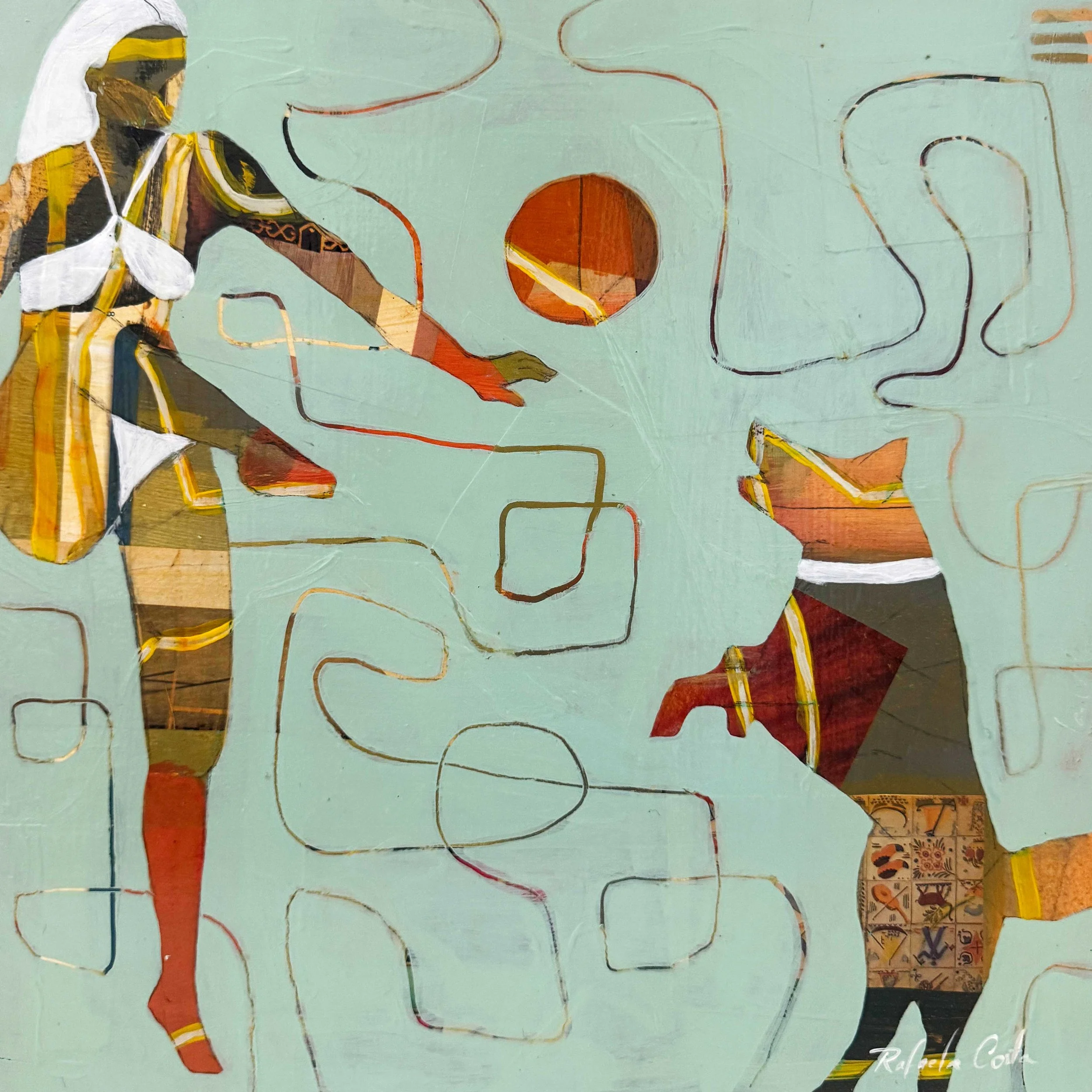
Rafaela Costa- A Play With My Best Friend, 2026 Mixed media on wood panel 12”x12” inches
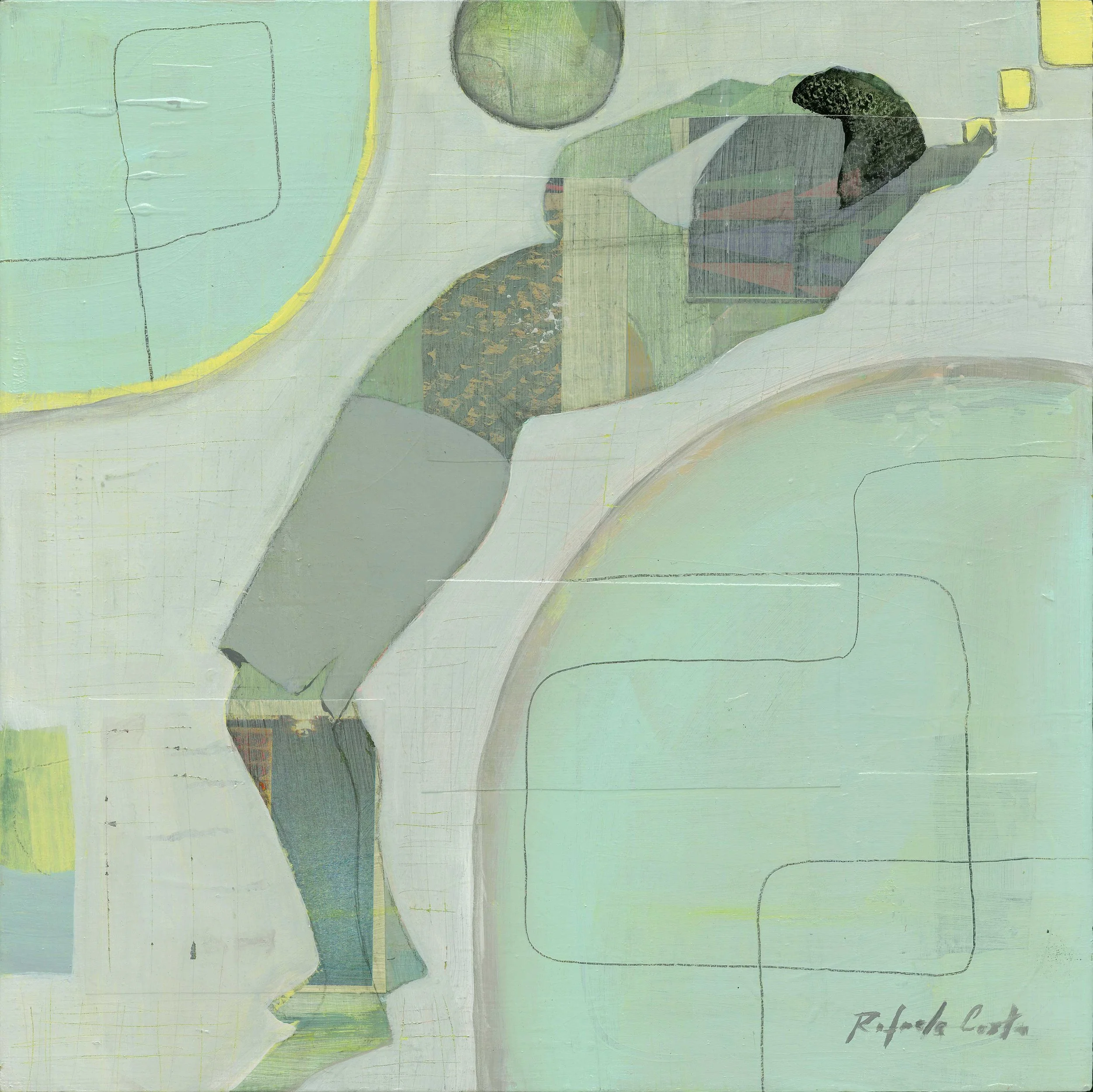
Rafaela Costa- It Looks Easy, 2026 Mixed media on wood panel 12”x12” inches
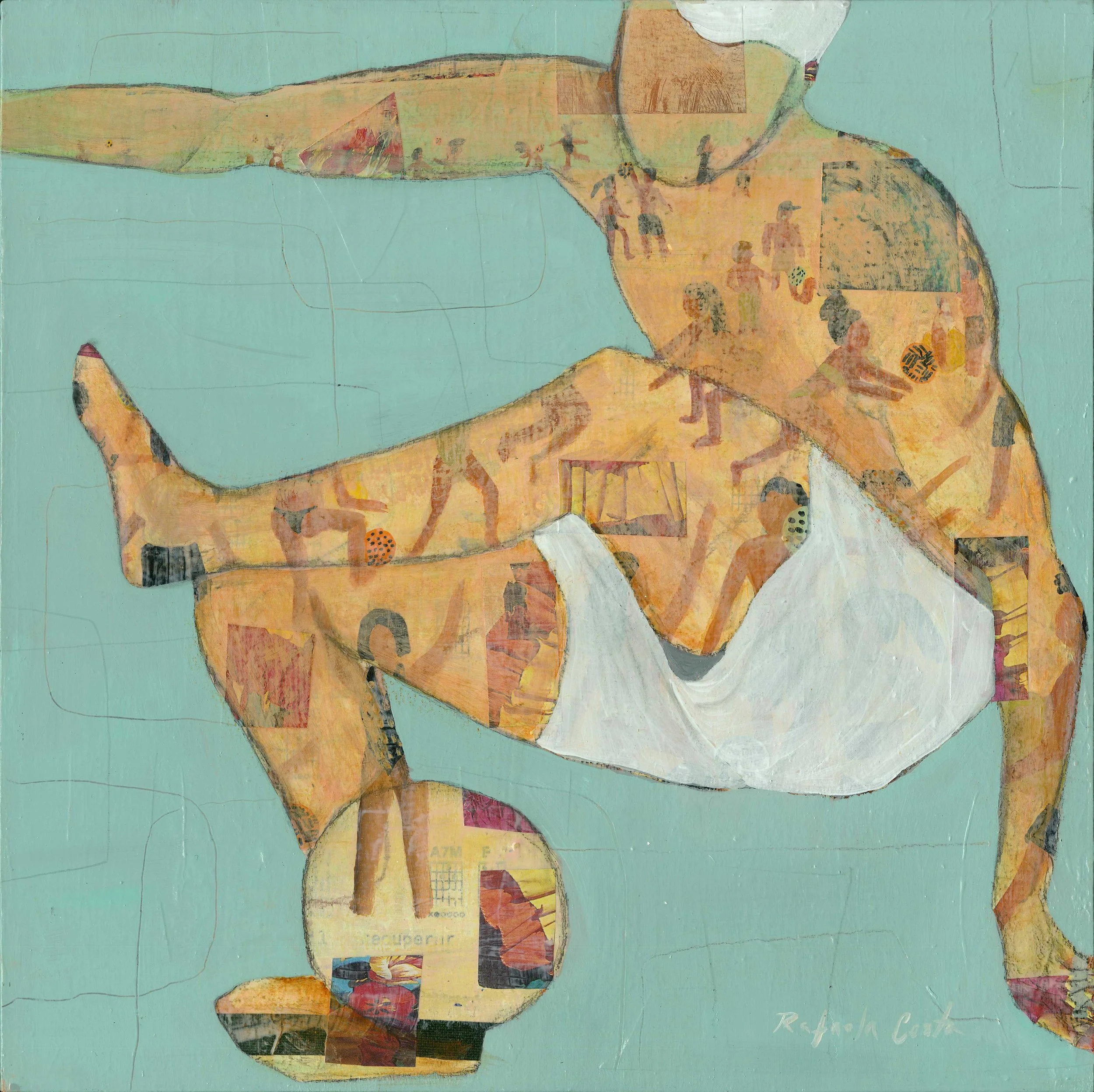
Rafaela Costa- “Embodied”, 2026 Mixed media on wood Panel 12”x12” inches
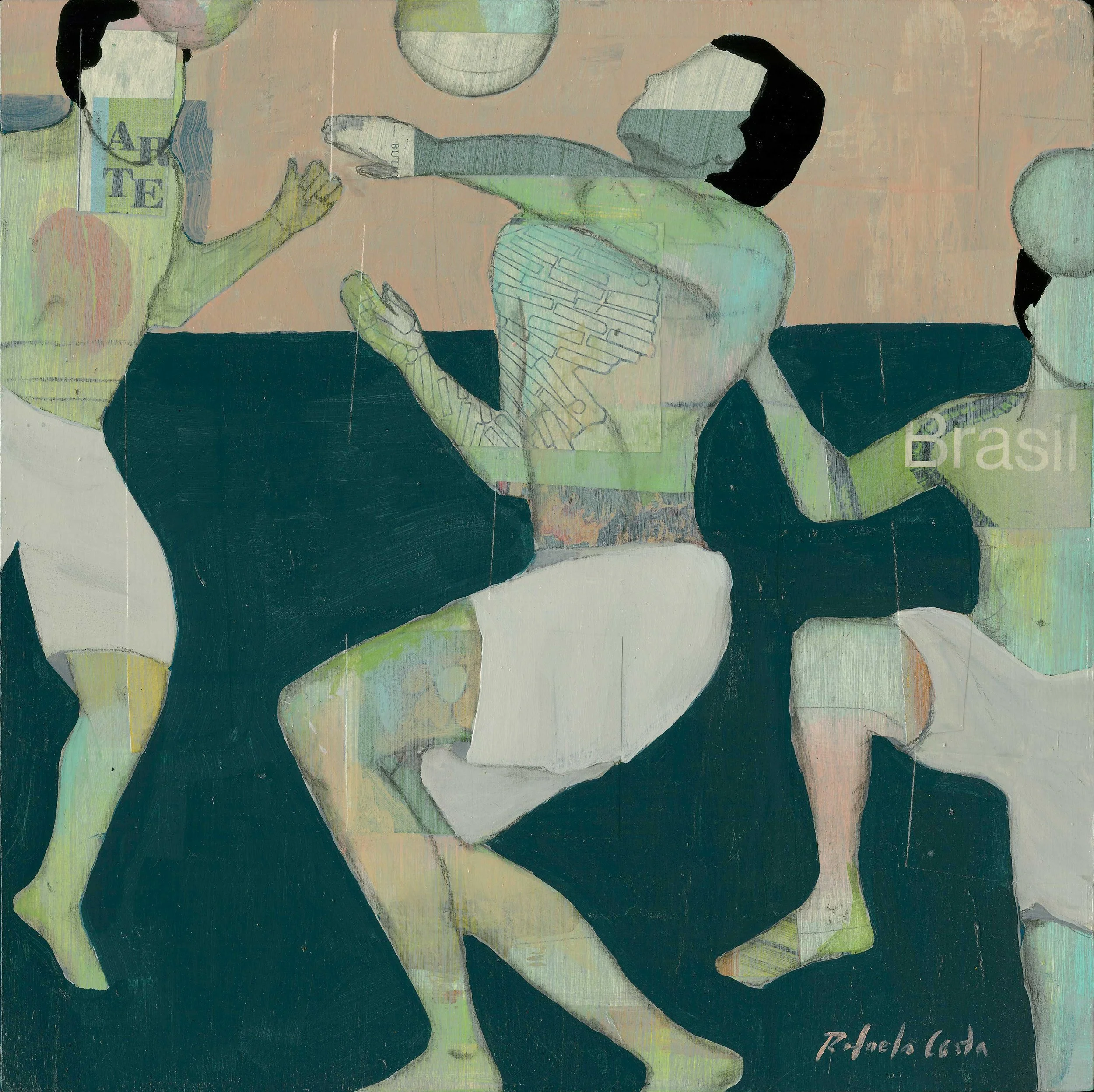
Rafaela Costa- Boys from Ipanema, 2026 Mixed media on wood panel 12”x12” inches
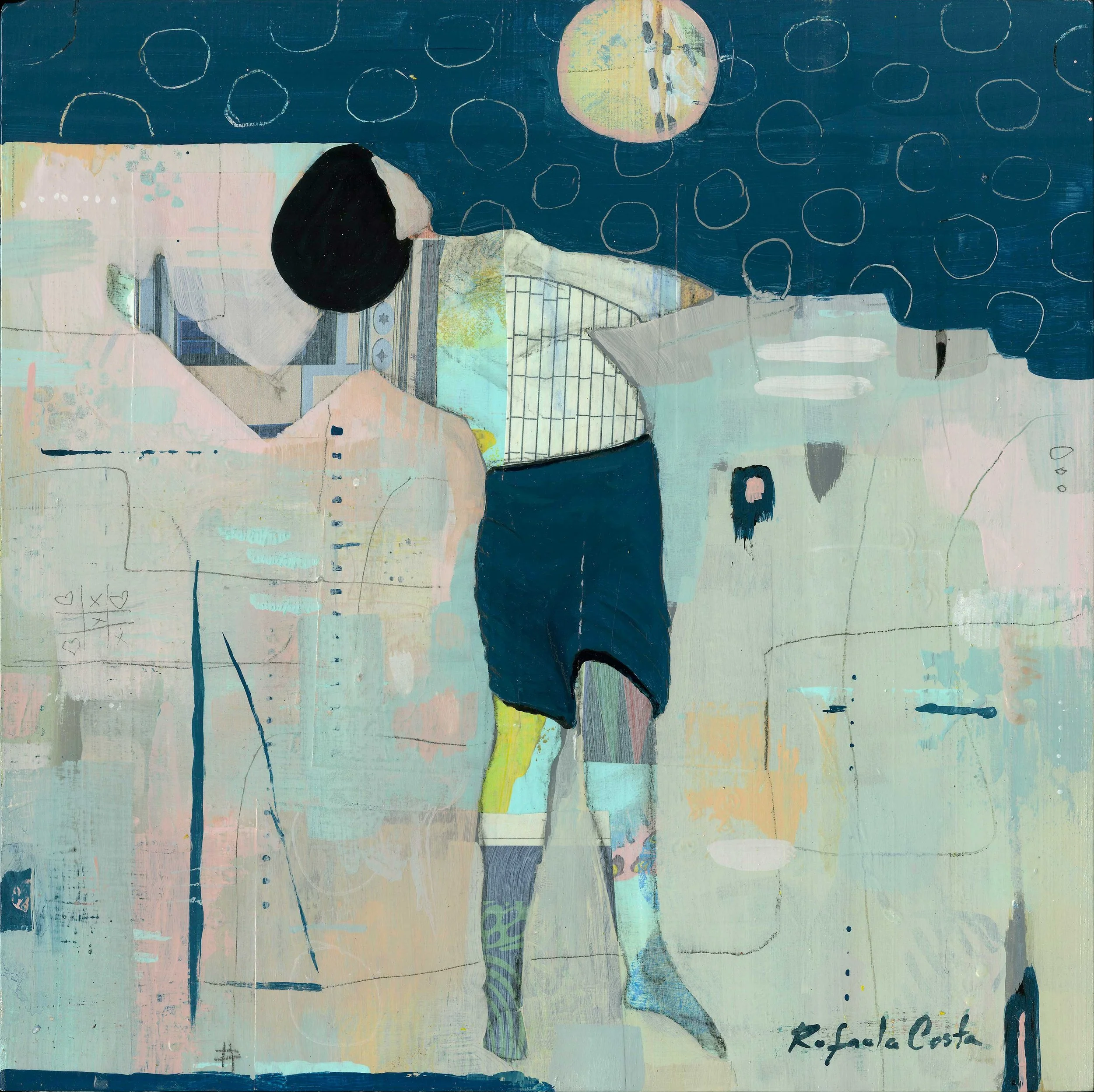
Rafaela Costa- Just a Boy, 2026 Mixed media on wood panel 12”x12” inches
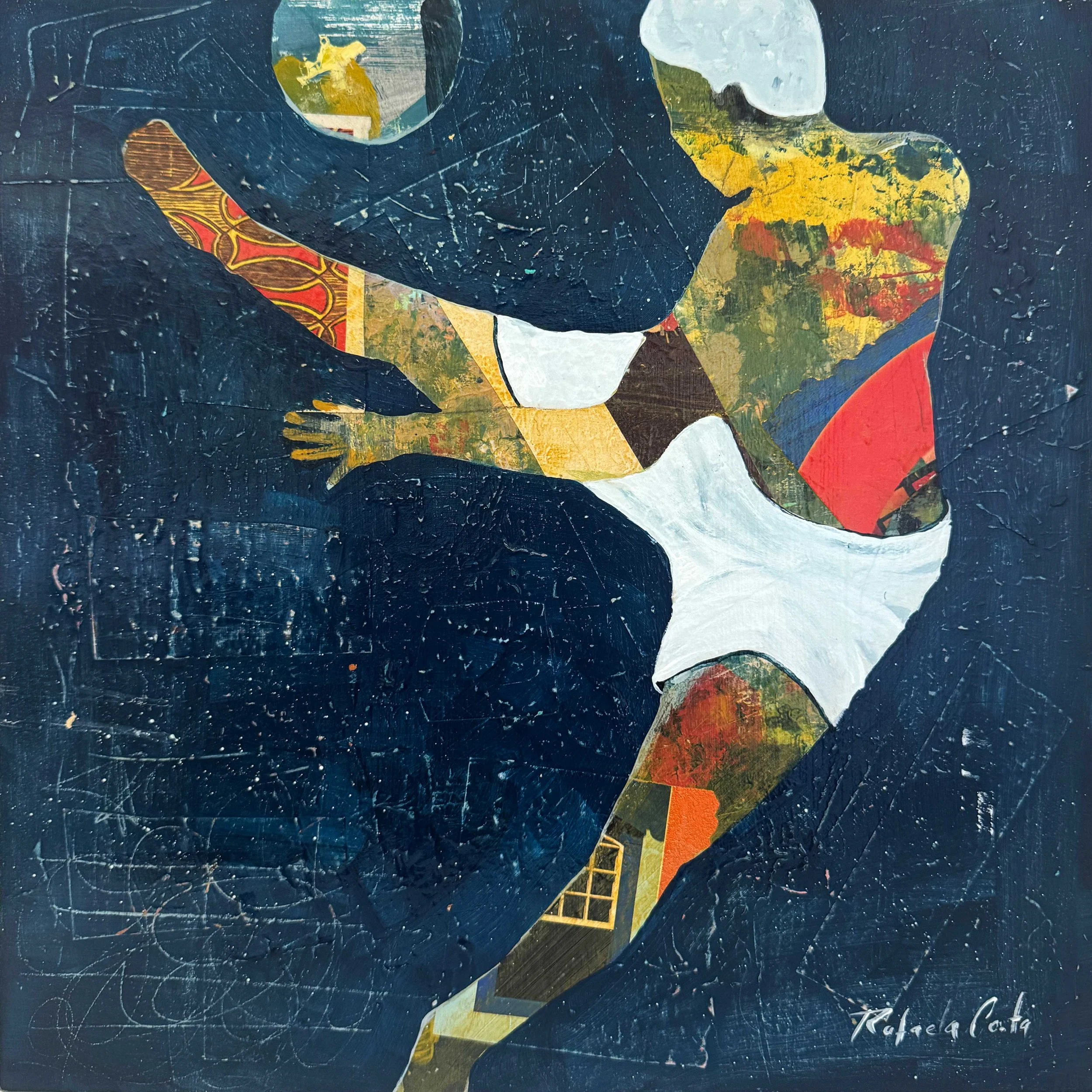
Rafaela Costa- The Sky Is the Limit, 2026 Mixed media on wood panel 12”x12” inches
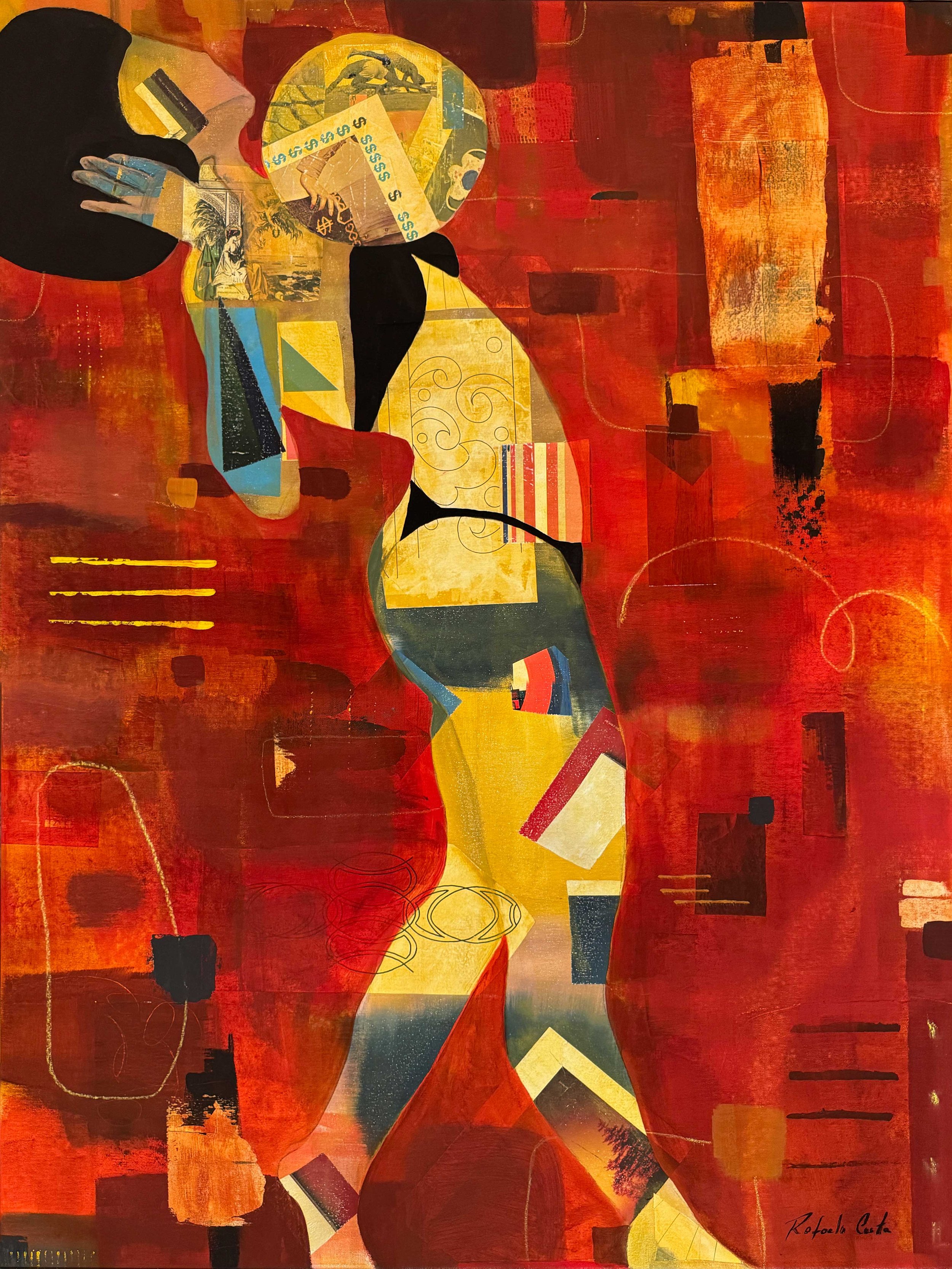
Rafaela Costa- The Red Painting, 2026 Mixed media on canvas 36”x48” inches
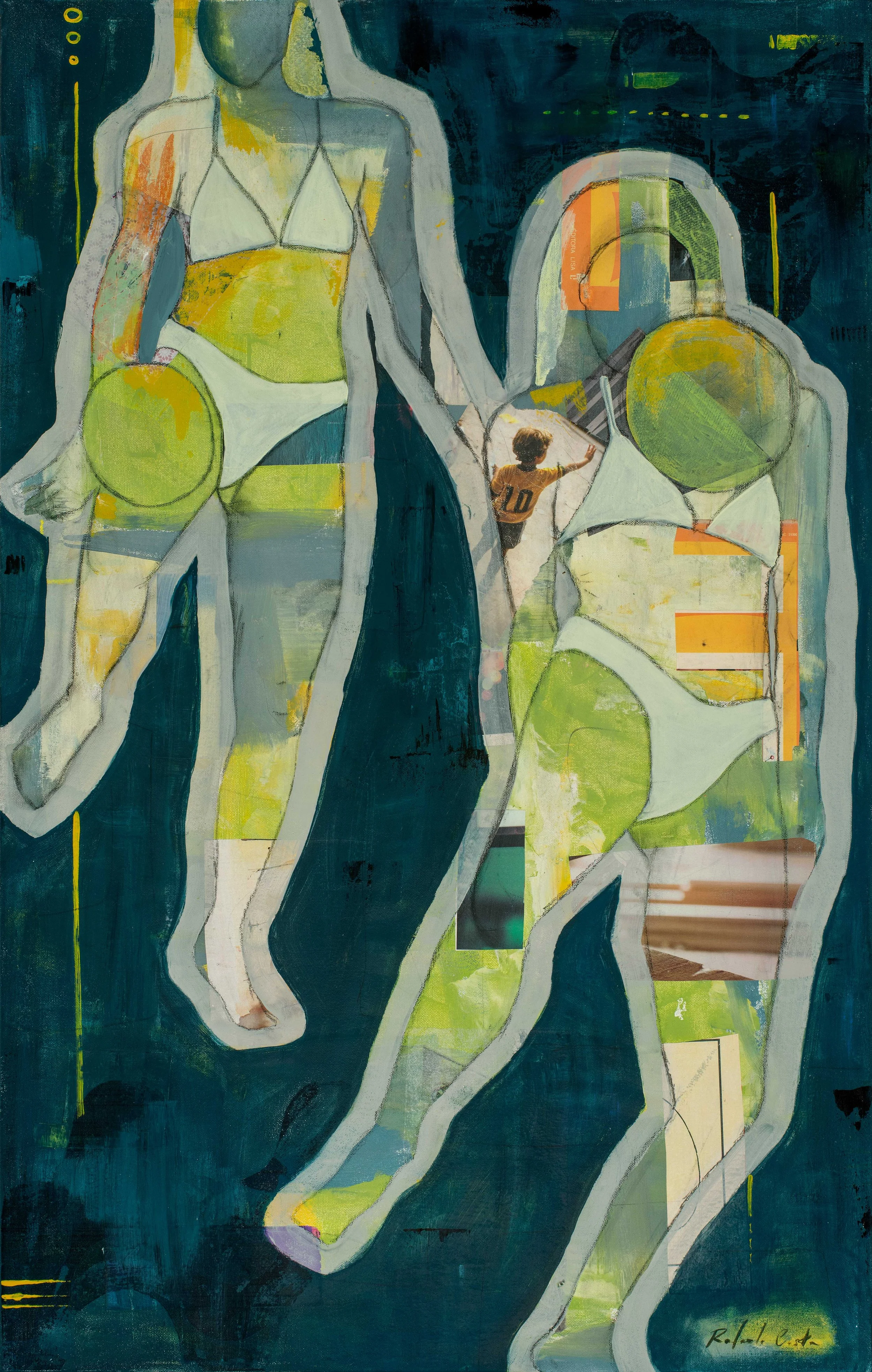
Rafaela Costa- Stillness in Motion, 2026 Mixed media on canvas 24”x36” inches
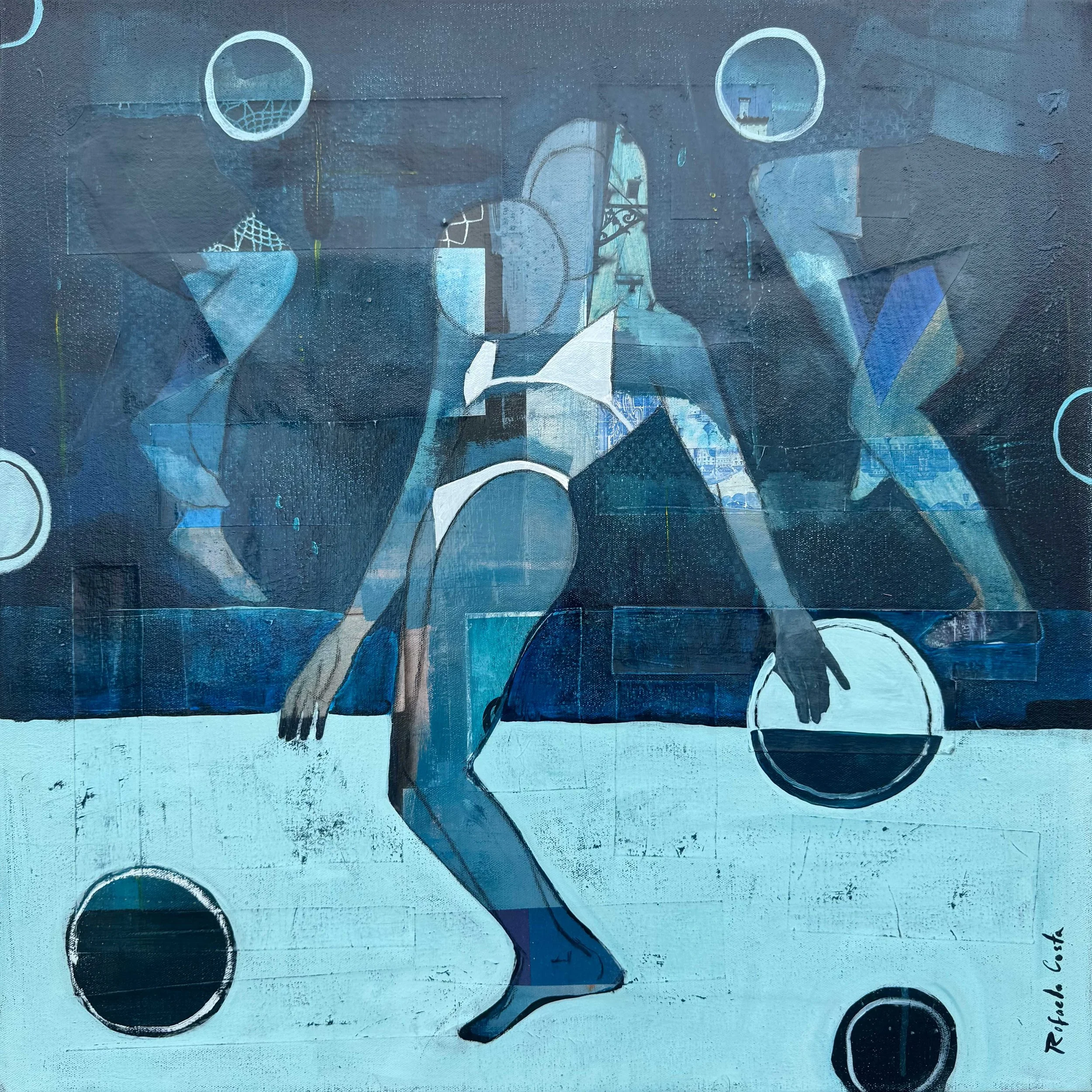
Rafaela Costa- The Effortless world of Venus,2026 Mixed media on canvas 24”x24” inches
The Wine Label Collection
The “Wine Labels Collection” explores the idea of deep transformation without eluding from its basic elements. Rafaela Costa started this body of work in 2019, a few months after she moved to the United States to live in the wine country. This collection embodies and illustrates the artist’s personal journey and her own period of transformation. By using wine labels as a medium, the artist not only brings awareness to the idea of repurposing materials and the importance of recycling, but she also incorporates a new element of her daily life into her work. On the subjective realm she aims to explore the metaphorical symbolism of labels. For the artist, labels are normally used as descriptions, they give meaning and at the same time define and restrain the idea of something (or someone). By deconstructing a label and seeing it as its basic elements, which in this case are patterns of ink on paper. The artist uses its parts to create new images that have a new identity, meaning and purpose. The old label transcends its forms, nonetheless, it never departs from its basic elements.

“Attachment”. Dimension: 30"x 24", wine labels on paper.
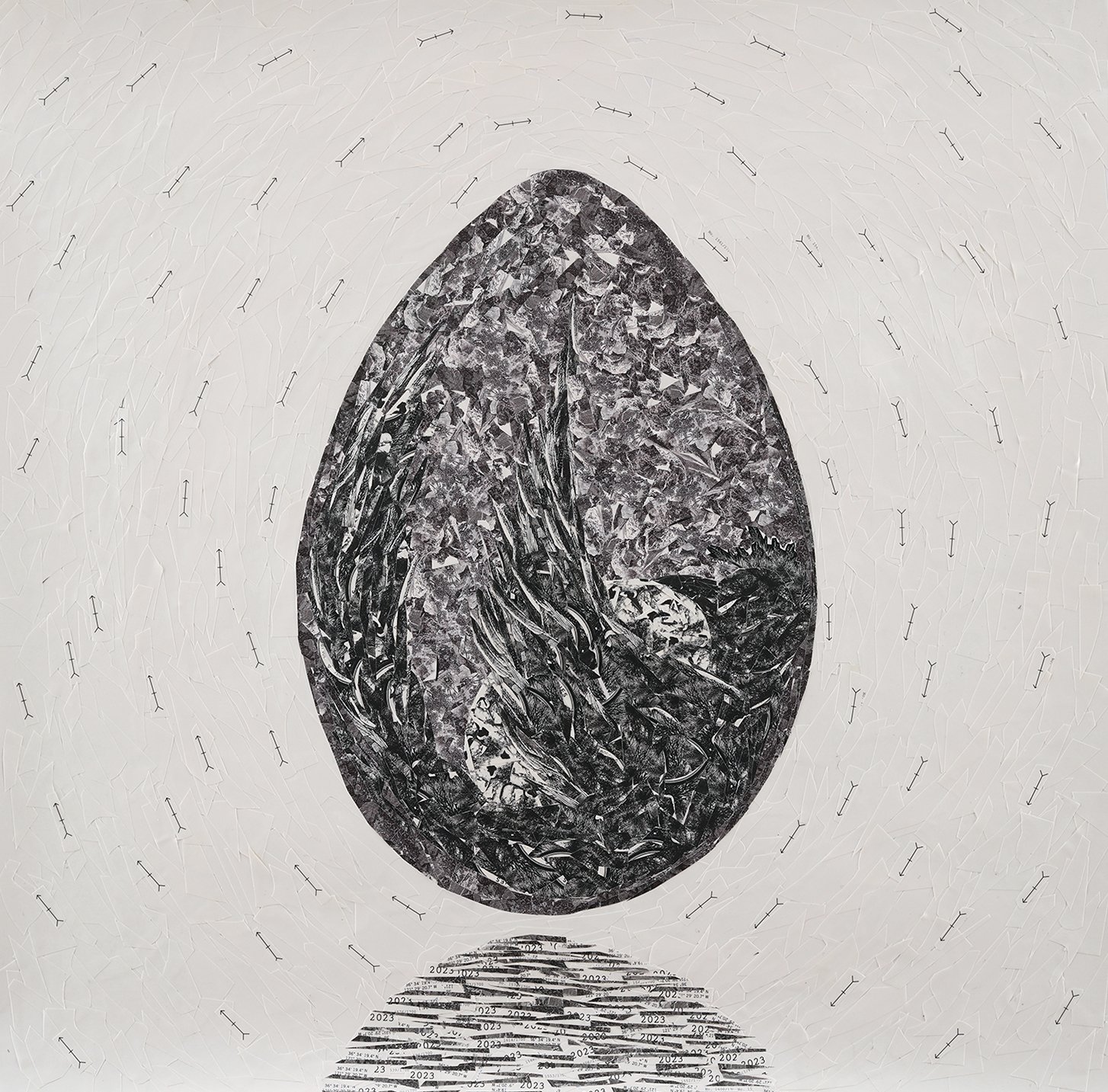
“2023 - Birth and Rebirth”. Dimension: 23"x 23", wine labels on paper.

“Notice”. Dimension: 16"x 20", wine labels on paper.

“Lilly Pad”. Dimension: 20"x 16", wine labels on paper.

“Lion”. Dimension: 8"x 9", wine labels on paper.

“Corkscrew W1”. Dimension: 11"x 14", wine labels on paper.

“Corkscrew B1”. Dimension: 11"x 14", wine labels on paper.
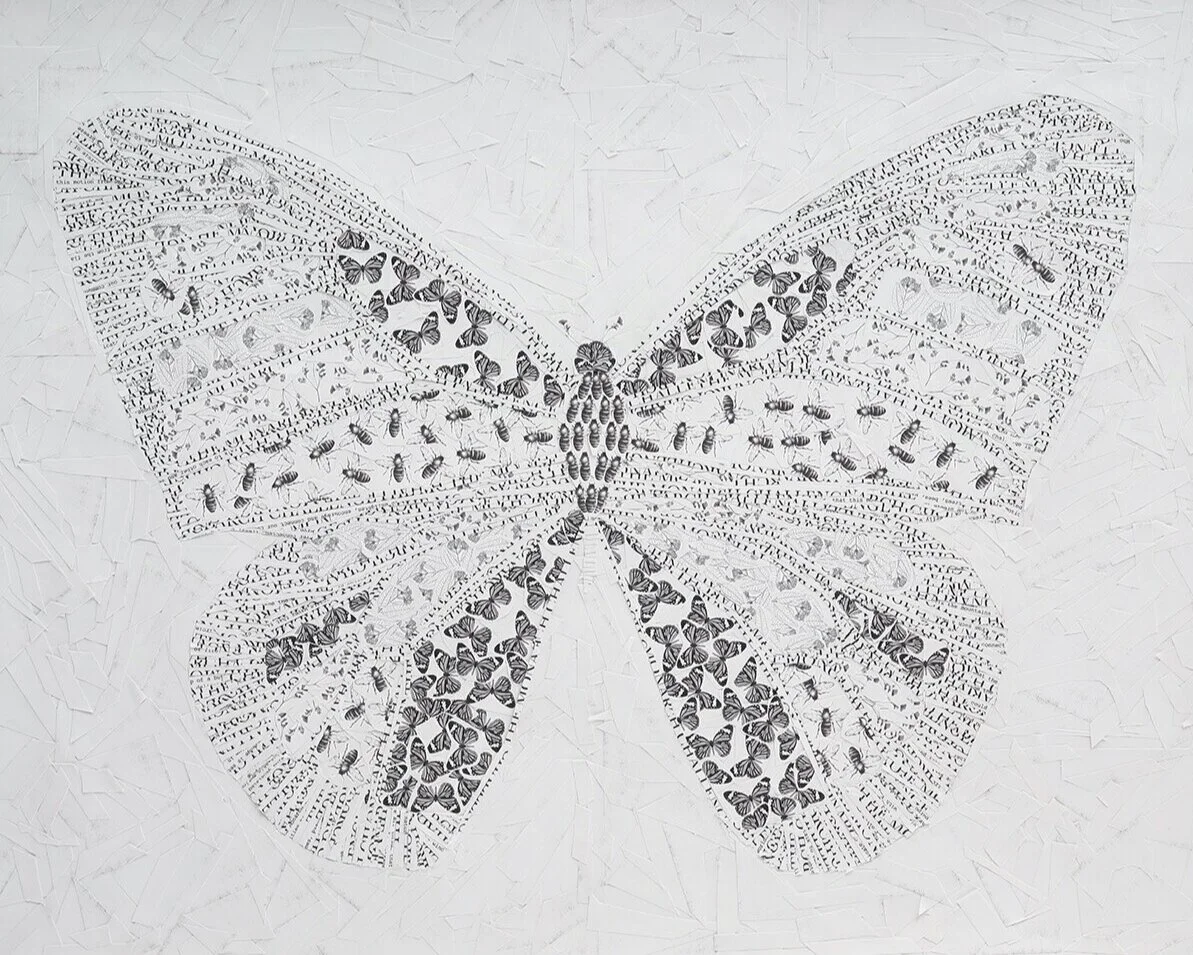
“Butterfly”- (Collaboration with Carlo Mondavi: RAEN Winery) Dimension: 16"x 20", wine labels on paper.
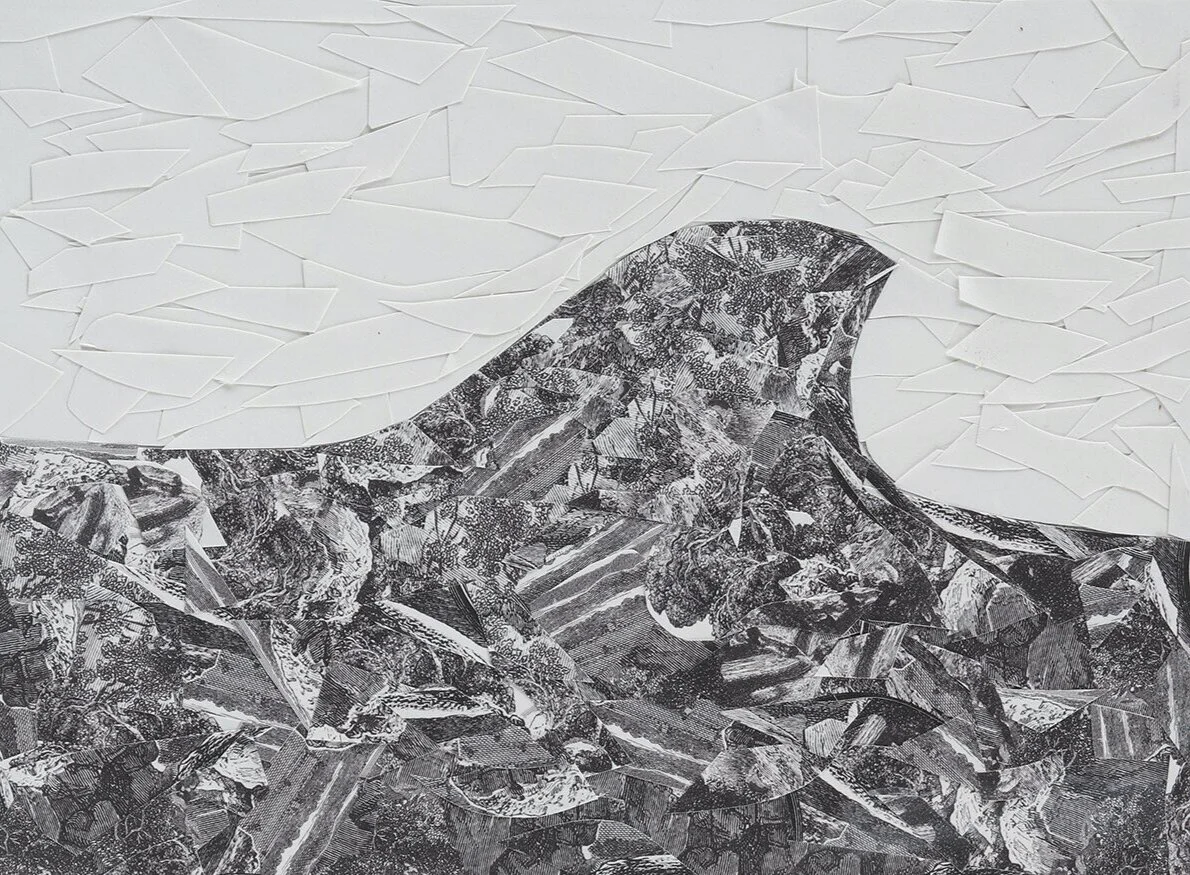
“From the Sea”. Dimension: 5,5"x 7.5", wine labels on paper.
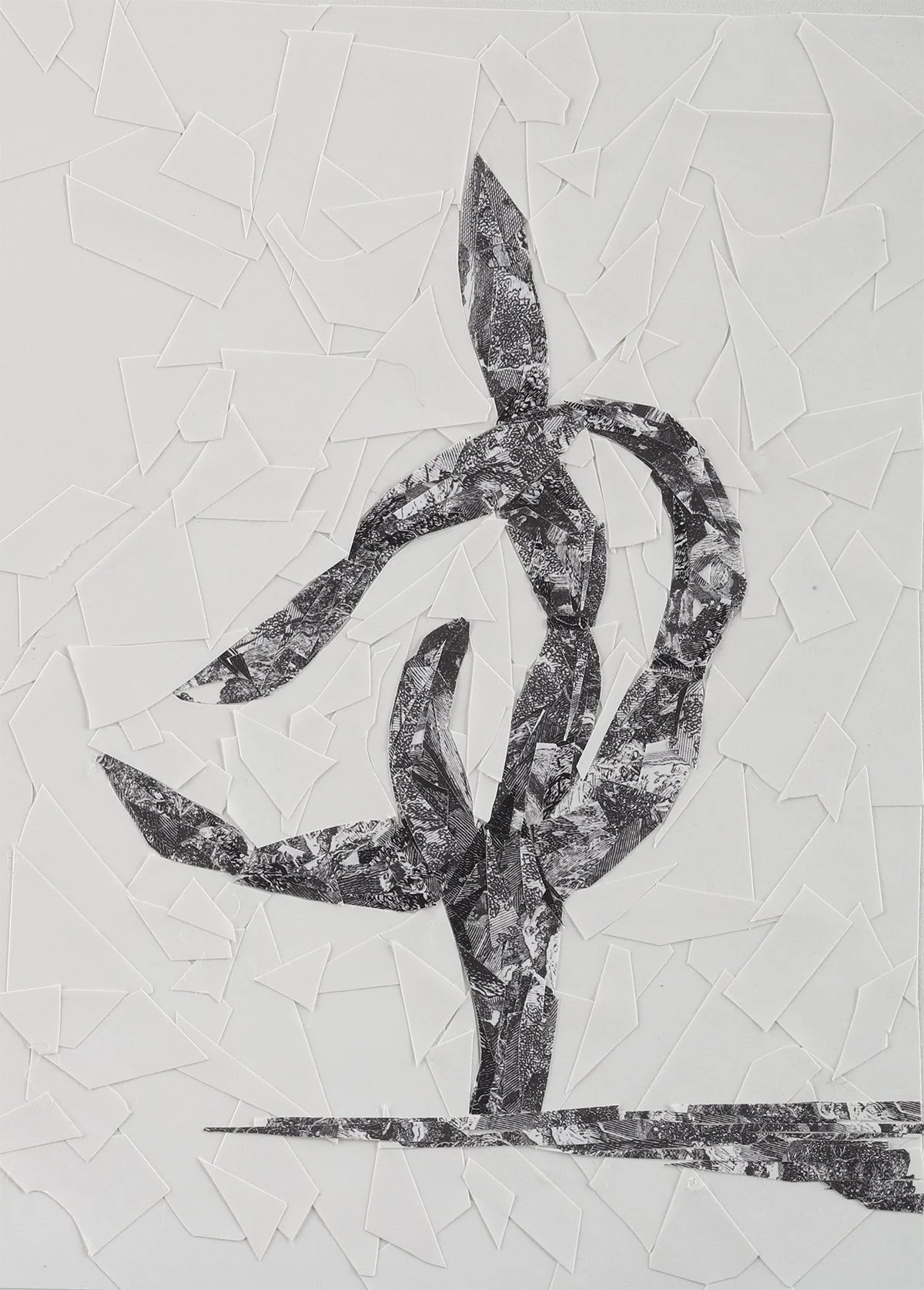
“Cactus 3”. Dimension: 5.5"x7.5", wine labels on paper.

“Cactus 1”. Dimension: 5.5"x7.5", wine labels on paper.

“Cactus 2”. Dimension: 5.5"x7.5", wine labels on paper.

“Vines”. Dimension: 11"x 14", wine labels on paper.

“Woods”. Dimension: 11"x 14", wine labels on paper
The Wine Label Collection- Abstract

“Abstract L’s” Dimensions 7.5”x7.5”, wine labels on paper.

“Abstract O’s” Dimensions 7.5”x7.5”, wine labels on paper.
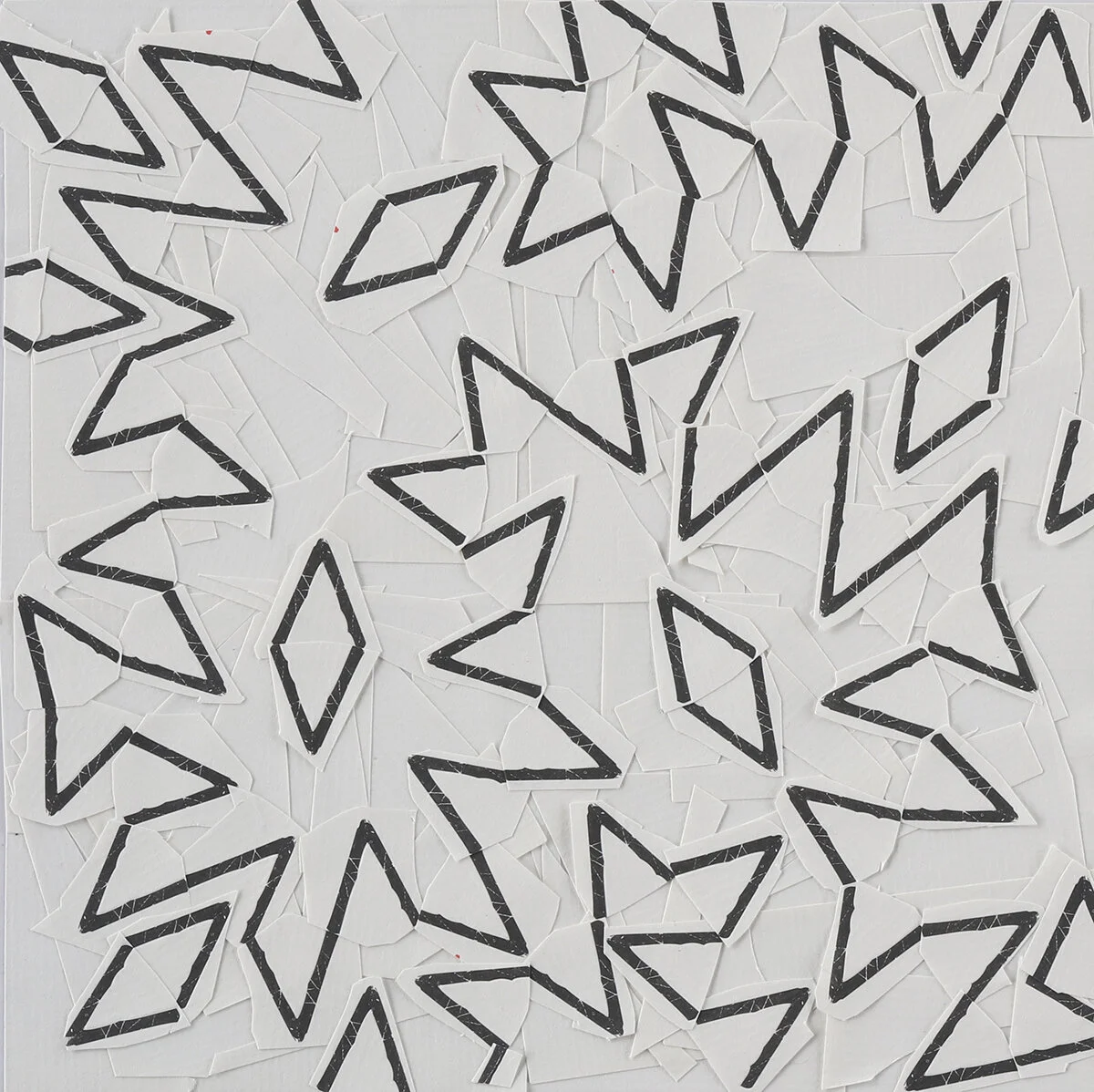
“Abstract A’s” Dimensions 7.5”x7.5”, wine labels on paper.

Abstract 1 Dimensions: 11”x14”, wine labels on paper.

“Abstract 5” Dimensions 20”x 16", wine labels on paper.

“Abstract 6” Dimensions 20”x 16", wine labels on paper.
“Am I dear to you?”
“Am I Dear to You” is an NFT, digital collage art collection created by Rafaela Costa. The collection aims to explore different social issues in hopes to bring awareness, as well as a healthy dose of encouragement, to the these issues affecting many in society. As an immigrant, and having English as a second language, the artist plays with the sound of the words “Deer” or “Dear”. Words that may sound the same, yet both holding very distinct and different metaphorical meanings. To further engage with this concept, Rafaela chose a “graffiti look” which is intended to remind us of the archetype of a rebel - the ones who dare to question and express their true selves.


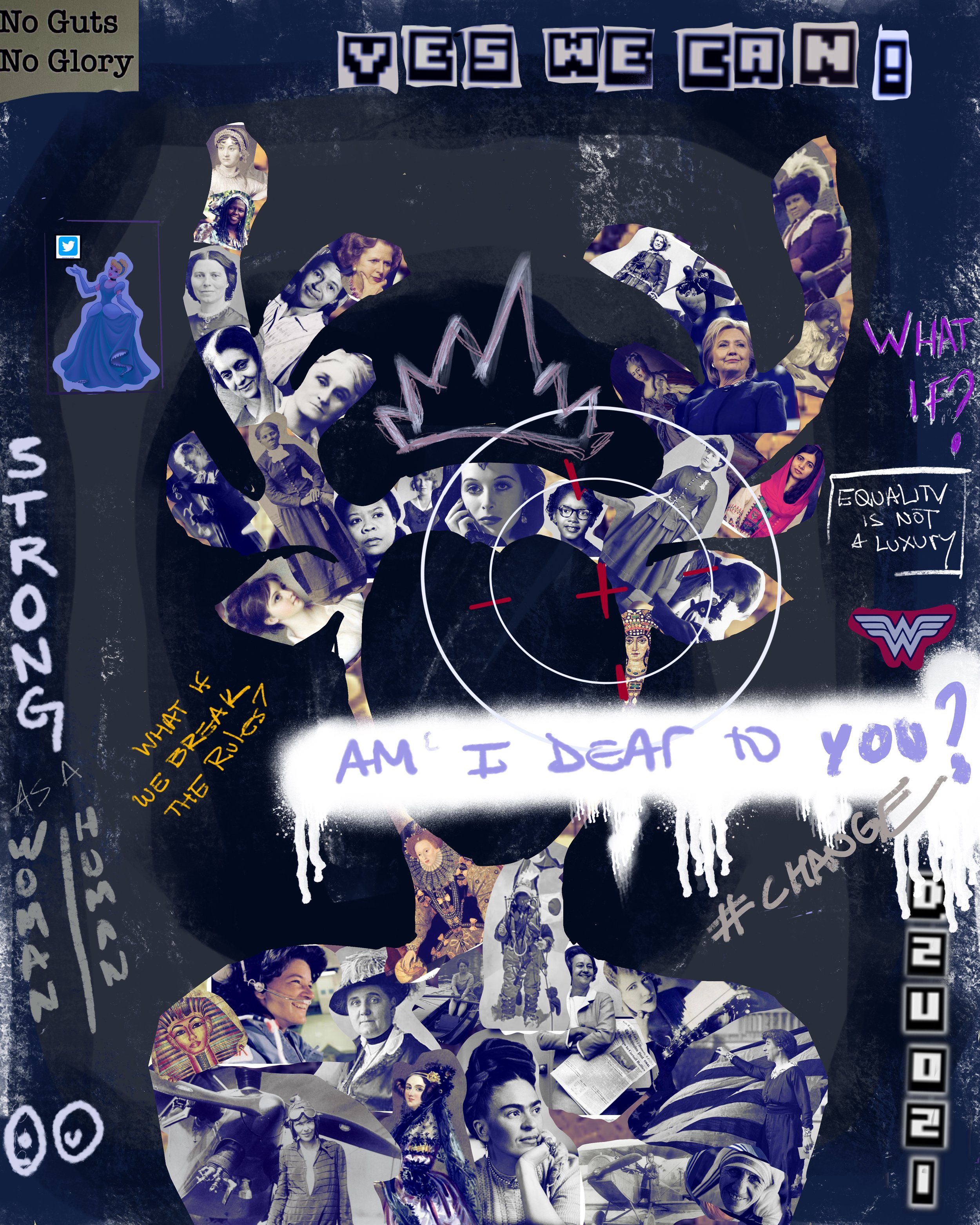


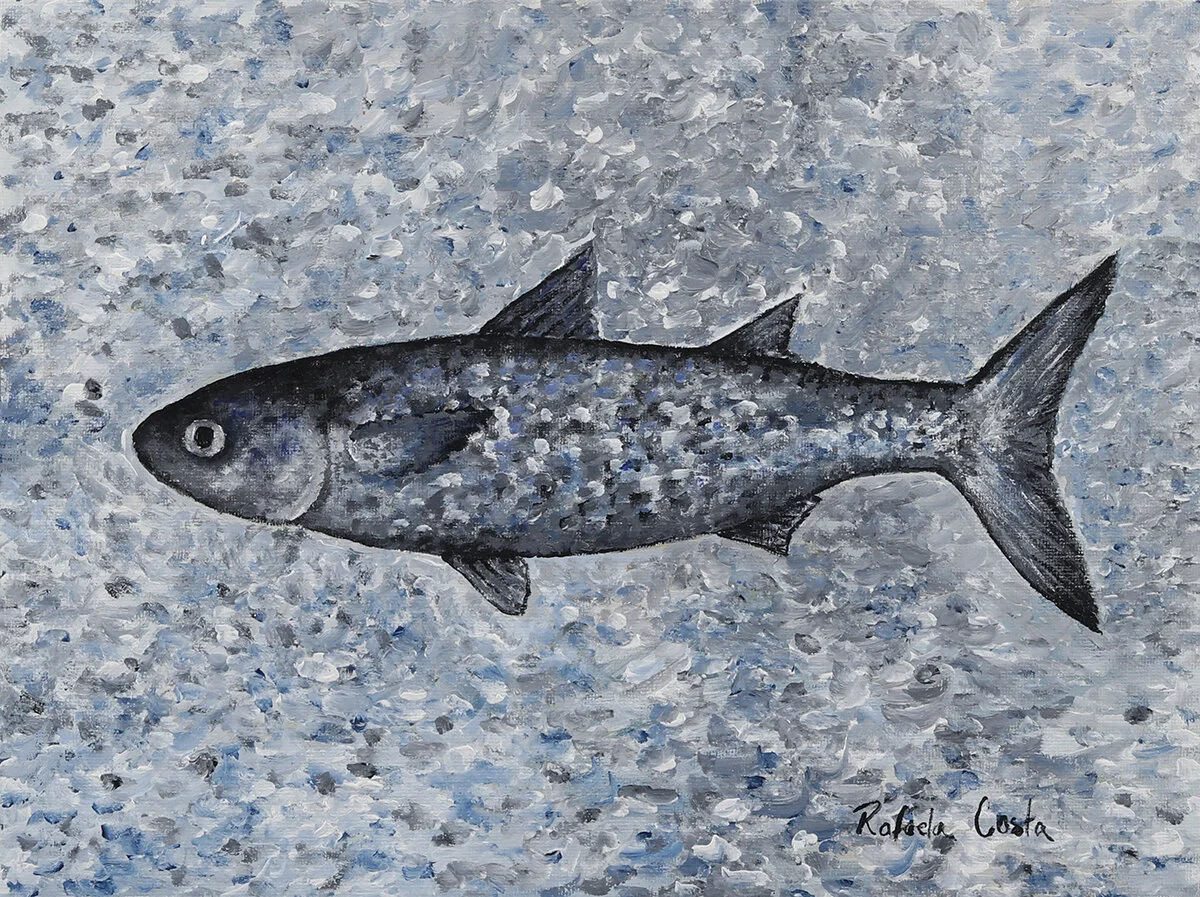
“Collaboration with Cortez Conservas”
"This collection, created in collaboration with Cortez Conservas, holds deep personal significance. Cortez Conservas, known for been the first USA producer of Bottarga, an exquisite delicacy made from mullet, connects to the heart of my roots in Florianópolis—a soulful fishing village where mullet is more than a staple; it’s a cultural emblem. This series intertwines tradition, community, and the shared heritage of the sea, evoking childhood memories and a deep cultural connection linked to the fishing on Mullet.”